
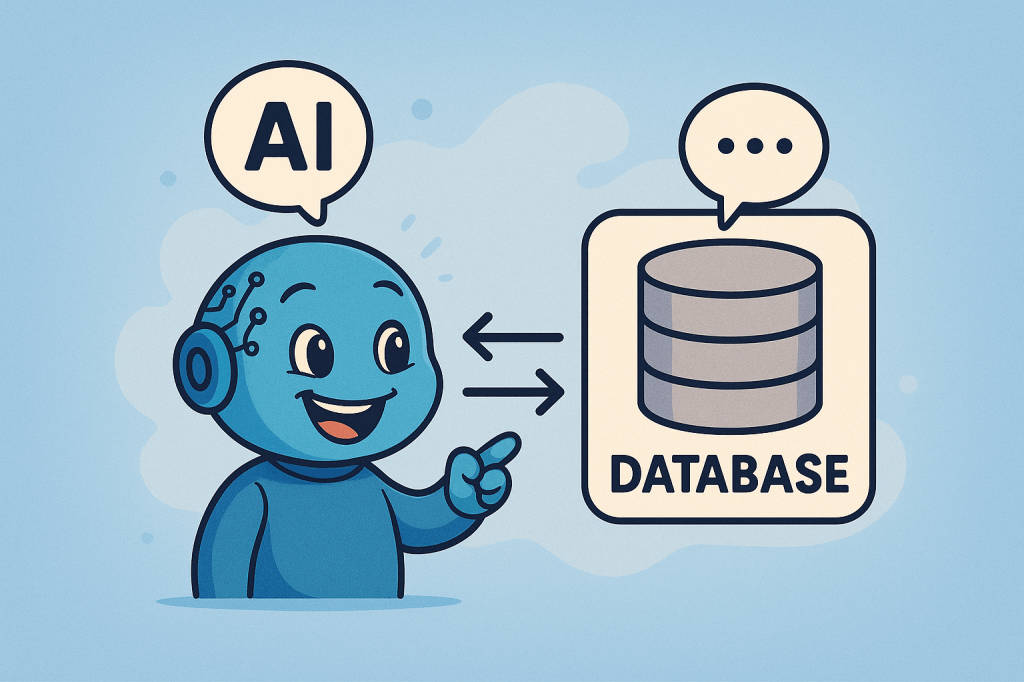
For decades, data has been the lifeblood of businesses, research, and countless other fields. Stored neatly (or sometimes less than neatly) within databases, this data holds the keys to understanding trends, making informed decisions, and driving innovation. However, unlocking these insights has traditionally required a specialized skill set: the ability to communicate with databases using their native tongue – query languages like SQL (Structured Query Language).
SQL is powerful and precise, but it presents a significant barrier to entry. For the vast majority of people who could benefit from direct access to data – the marketing specialist needing customer demographics, the logistics manager tracking inventory, the executive analyzing sales performance – learning the intricacies of tables, columns, keys, and query syntax is simply not part of their core job. They rely on intermediaries, waiting for reports or requesting custom data pulls, a process that can be slow and cumbersome.
But what if that barrier could be lowered, perhaps even removed entirely? What if interacting with a database felt less like coding and more like having a conversation? This is where Artificial Intelligence (AI) is stepping in, fundamentally changing how we connect with and utilize the data stored within our databases.
As we move deeper into 2025, AI-powered database interaction is no longer theoretical; it’s becoming a practical reality. This guide will delve into the core concepts of databases, demonstrate how we traditionally query them with examples, and then explore in detail how AI is not just automating querying but also helping users understand the very structure and language of data itself.
Chapter 1: The Data Foundation – Understanding Databases
Before we talk about interacting with databases, we need a solid understanding of what they are and how they are structured. While there are different types of databases (like NoSQL databases such as document, key-value, or graph databases), the most common type for structured business data, and the easiest to demonstrate core concepts like relationships, is the relational database. We will focus on this model for our examples.
Imagine a relational database as a collection of organized tables, much like spreadsheets, but with powerful ways to define relationships between these tables.
Subscribers Only Section :
Key Concepts in a Relational Database:

Subscribe to continue reading
Subscribe to get access to the rest of this post and other subscriber-only content.
 SkillWisor