
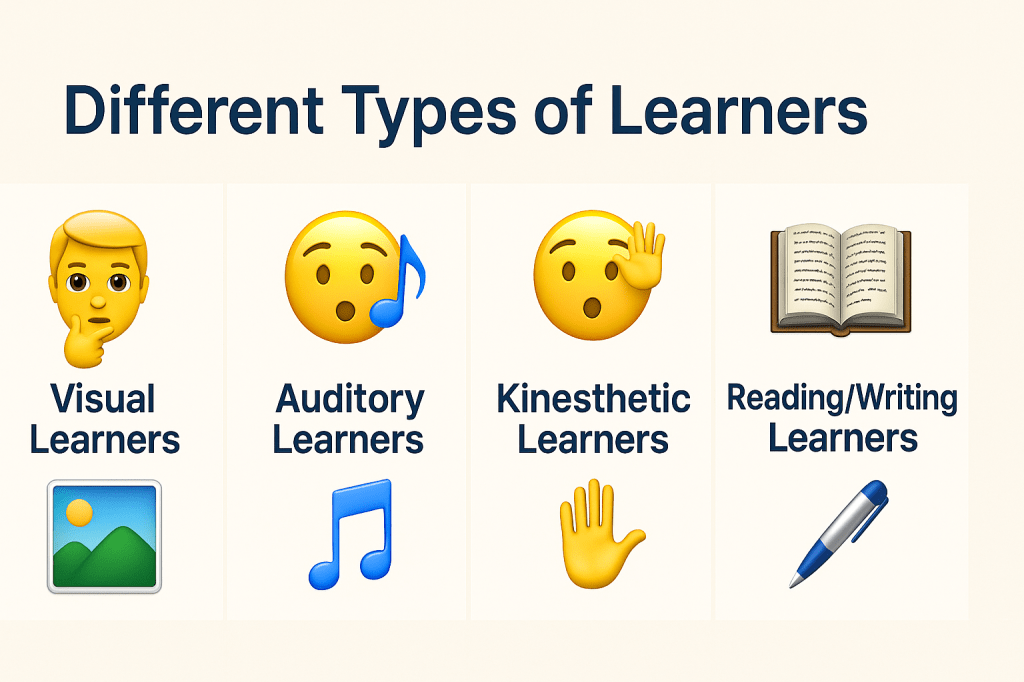
In today’s diverse educational landscape, recognizing that people learn in different ways has become essential for effective teaching and personal development. From traditional classrooms to corporate training environments to self-directed learning, understanding learning styles can significantly impact how information is processed, retained, and applied. This understanding not only empowers individual learners but also equips educators with tools to create more inclusive and effective learning experiences.
Introduction
The concept of learning styles emerged in the 1970s, gained momentum through the 1980s and 1990s, and continues to influence educational thinking today. While recent research has brought nuance to our understanding of these preferences, the core insight remains valuable: people tend to engage with and process information differently, and recognizing these tendencies can enhance the learning experience.
Learning is a deeply personal process, influenced by our unique cognitive makeup, past experiences, cultural backgrounds, and individual interests. By recognizing and respecting these differences, we create pathways for more effective learning across diverse populations. Whether you’re an educator seeking to reach all students, a parent supporting a child’s development, or an adult looking to enhance your own learning efficiency, understanding different learning approaches offers valuable insights.

Subscribe to continue reading
Subscribe to get access to the rest of this post and other subscriber-only content.
 SkillWisor