
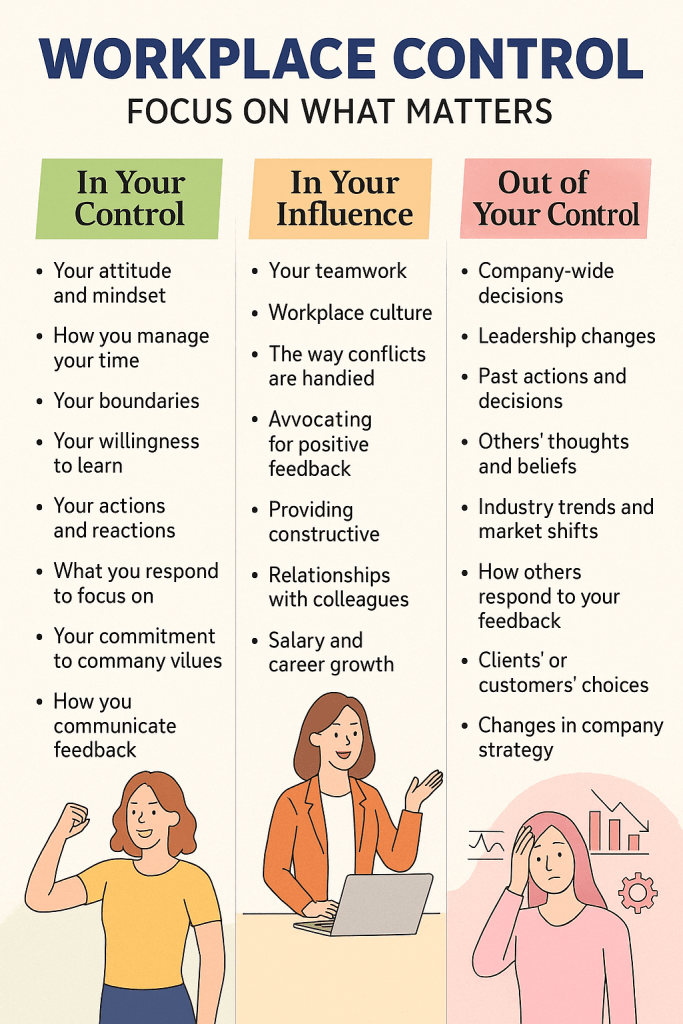
In the dynamic and often unpredictable landscape of the modern workplace, it’s easy to feel overwhelmed, stressed, and even powerless. Deadlines loom, team dynamics shift, and company strategies evolve. Amidst this constant flux, a fundamental question emerges: where should you direct your precious energy and attention to truly make a difference in your career and well-being?
The answer lies in understanding the concept of “workplace control” – a powerful framework that helps you distinguish between what you can directly manage, what you can strategically influence, and what you simply need to accept. By focusing on what truly matters, you unlock greater productivity, foster resilience, and cultivate a more fulfilling professional life. This comprehensive guide will dissect each of these categories, providing actionable insights to empower you to navigate your career with clarity and purpose.
I. In Your Control: The Foundation of Empowerment
The “In Your Control” sphere represents your personal agency – the aspects of your professional life over which you have direct, immediate, and absolute command. These are the levers you can pull daily to shape your experience, performance, and growth. Mastering these elements is not just about efficiency; it’s about building a robust foundation of self-leadership that withstands external pressures.
1. Your Attitude and Mindset
Your attitude is arguably the most potent tool in your professional arsenal. It’s the lens through which you perceive challenges, opportunities, and interactions. A positive, growth-oriented mindset isn’t about ignoring problems; it’s about approaching them with a belief in your ability to learn, adapt, and overcome.

- Cultivating a Growth Mindset: Embrace the idea that your abilities can be developed through dedication and hard work. View setbacks as learning opportunities rather than failures. When faced with a difficult task, instead of thinking “I can’t do this,” reframe it as “How can I learn to do this?”
- Practicing Optimism: While not always easy, consciously choosing to look for the silver lining or the potential solution in every situation can significantly alter your stress levels and problem-solving capabilities. This doesn’t mean being naive, but rather being proactive in seeking positive outcomes.
- Managing Self-Talk: Pay attention to your inner dialogue. Are you your own harshest critic or your most supportive coach? Challenge negative self-talk and replace it with affirmations and constructive encouragement. This internal narrative profoundly impacts your confidence and resilience.
- Embracing Resilience: The workplace will inevitably present obstacles. Your attitude determines how quickly you bounce back. Develop emotional intelligence to recognize and manage your reactions, allowing you to recover from disappointments and maintain momentum.
By consciously shaping your attitude and mindset, you create an internal environment that fuels productivity, fosters creativity, and attracts positive interactions, regardless of external circumstances.
2. How You Manage Your Time
Time is a finite resource, and how you allocate it directly dictates your productivity, stress levels, and work-life balance. Effective time management isn’t just about doing more; it’s about doing the right things more efficiently.

- Prioritization Techniques: Implement strategies like the Eisenhower Matrix (Urgent/Important) or the ABCDE method to categorize tasks and focus on high-impact activities. Understand that not all tasks are created equal, and some deserve more of your attention than others.
- Setting Clear Goals: Before you can manage your time, you need to know what you’re working towards. Define specific, measurable, achievable, relevant, and time-bound (SMART) goals for your daily, weekly, and monthly tasks.
- Minimizing Distractions: Identify your biggest time-wasters – be it excessive notifications, unproductive meetings, or social media. Implement strategies to minimize these distractions, such as dedicated focus blocks, turning off alerts, or using productivity apps.
- Batching Similar Tasks: Group similar activities together (e.g., responding to emails, making calls, administrative tasks) to reduce context-switching and improve efficiency.
- Strategic Breaks: Paradoxically, taking regular, short breaks can enhance focus and prevent burnout. Use techniques like the Pomodoro Technique (25 minutes of work, 5 minutes of break) to maintain peak performance.
- Delegation (When Possible): If you’re in a position to delegate, learn to effectively assign tasks to others, freeing up your time for higher-level responsibilities.
Mastering time management is a continuous process of refinement, but the payoff is immense: reduced stress, increased output, and a greater sense of control over your workday.
3. Your Boundaries
Boundaries are the invisible lines you draw to protect your time, energy, and mental well-being. In an always-on work culture, establishing clear boundaries is crucial for preventing burnout and maintaining a healthy work-life integration.
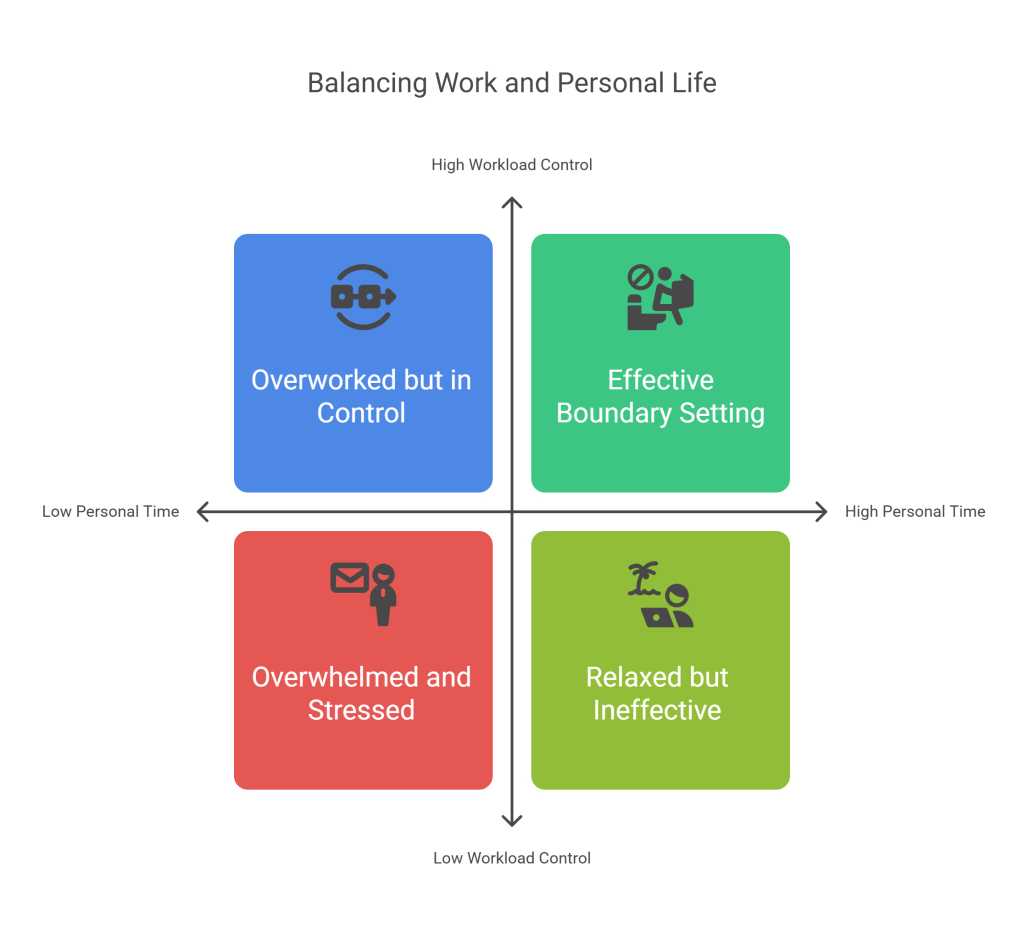
- Defining Your Limits: Understand what you are and are not willing to do, both in terms of workload and availability. This might involve setting specific working hours, limiting after-hours email checks, or declining non-essential meetings.
- Communicating Boundaries Clearly: Once defined, communicate your boundaries politely but firmly to colleagues, managers, and clients. For example, “I’ll be offline after 6 PM, but I’ll get back to you first thing in the morning.”
- Saying “No” Effectively: Learn to decline requests that don’t align with your priorities or capacity without guilt. Offer alternatives where appropriate, but prioritize your own workload and well-being.
- Protecting Personal Time: Actively schedule and protect time for personal activities, hobbies, and family. This downtime is essential for recharging and preventing work from consuming your entire life.
- Digital Detox: Consider regular periods of disconnecting from work-related digital devices to fully disengage and reset.
Establishing and maintaining boundaries is an act of self-respect that ultimately makes you a more effective and sustainable contributor in the long run.
4. Your Willingness to Learn
The professional world is in constant evolution. Stagnation is the enemy of growth. Your willingness to learn new skills, adapt to new technologies, and embrace new ideas is a direct determinant of your career trajectory.
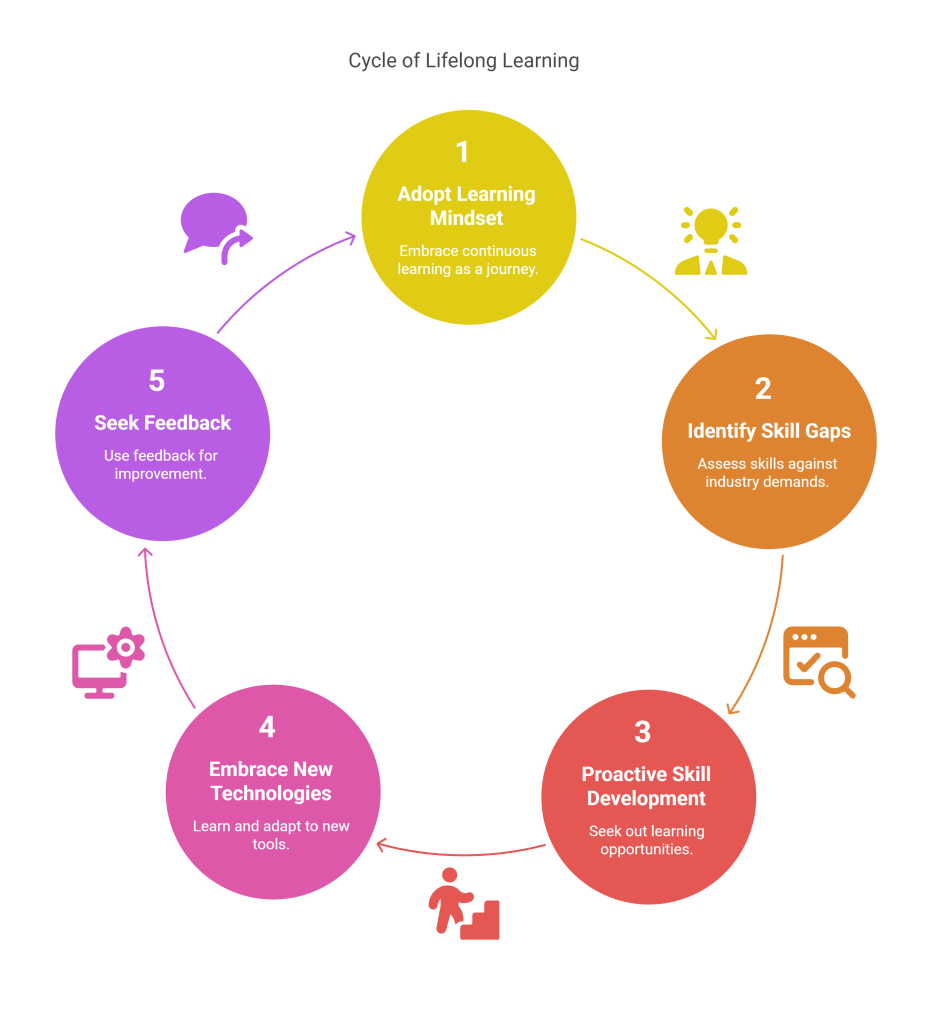
- Lifelong Learning Mindset: Adopt the belief that learning is a continuous journey, not just something that happens in formal education. Be curious and open to new knowledge.
- Identifying Skill Gaps: Regularly assess your current skill set against industry demands and your career aspirations. Pinpoint areas where you need to grow.
- Proactive Skill Development: Don’t wait for your company to offer training. Seek out online courses, workshops, industry conferences, books, and mentors. Dedicate specific time each week to learning.
- Embracing New Technologies: Be an early adopter or at least a willing learner when new tools or software are introduced. This not only keeps you relevant but also demonstrates adaptability.
- Seeking Feedback for Growth: Actively solicit constructive feedback and use it as a powerful learning tool to identify areas for improvement.
A strong commitment to continuous learning ensures your relevance, boosts your confidence, and opens doors to new opportunities within your organization and beyond.
5. Your Actions and Reactions
While you cannot control every event that unfolds, you have absolute control over how you choose to act and react. This distinction is crucial for maintaining professionalism, managing conflict, and preserving your emotional well-being.
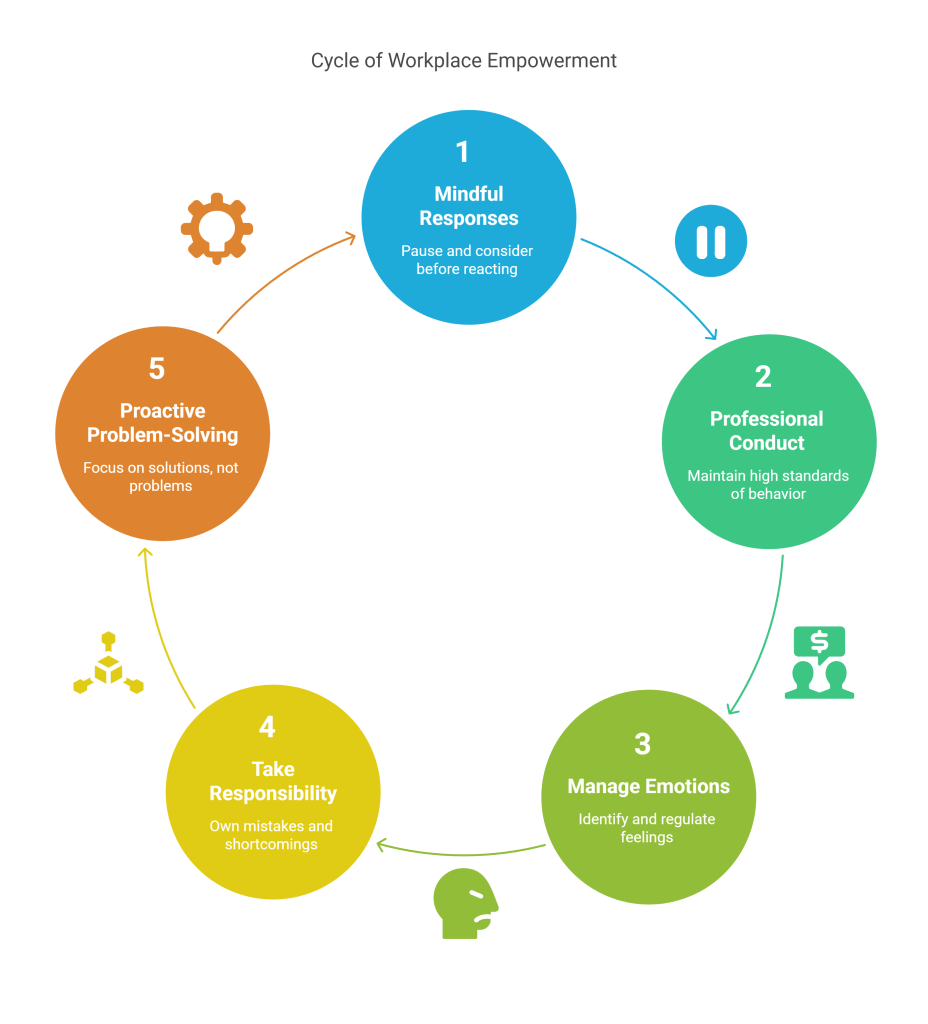
- Mindful Responses: Instead of reacting impulsively to challenging situations, take a moment to pause, breathe, and consider your response. This allows for a more thoughtful and constructive engagement.
- Professional Conduct: Regardless of the provocations, maintain a high standard of professional behavior. This includes respectful communication, ethical decision-making, and adherence to company policies.
- Managing Emotions: Learn to identify and regulate your emotions, especially in high-pressure situations. Techniques like deep breathing, stepping away, or journaling can help you process feelings before responding.
- Taking Responsibility: Own your mistakes and shortcomings. Acknowledging your role in a situation, even if it’s minor, demonstrates maturity and builds trust.
- Proactive Problem-Solving: Instead of dwelling on problems, focus your energy on identifying solutions. Shift from a reactive “what happened?” mindset to a proactive “what can I do about it?” approach.
Your actions and reactions define your character and reputation in the workplace. By controlling them, you project competence, reliability, and emotional intelligence.
6. What You Choose to Focus On
In an information-rich and often chaotic work environment, your ability to direct your focus is a superpower. What you choose to pay attention to amplifies its impact on your experience.
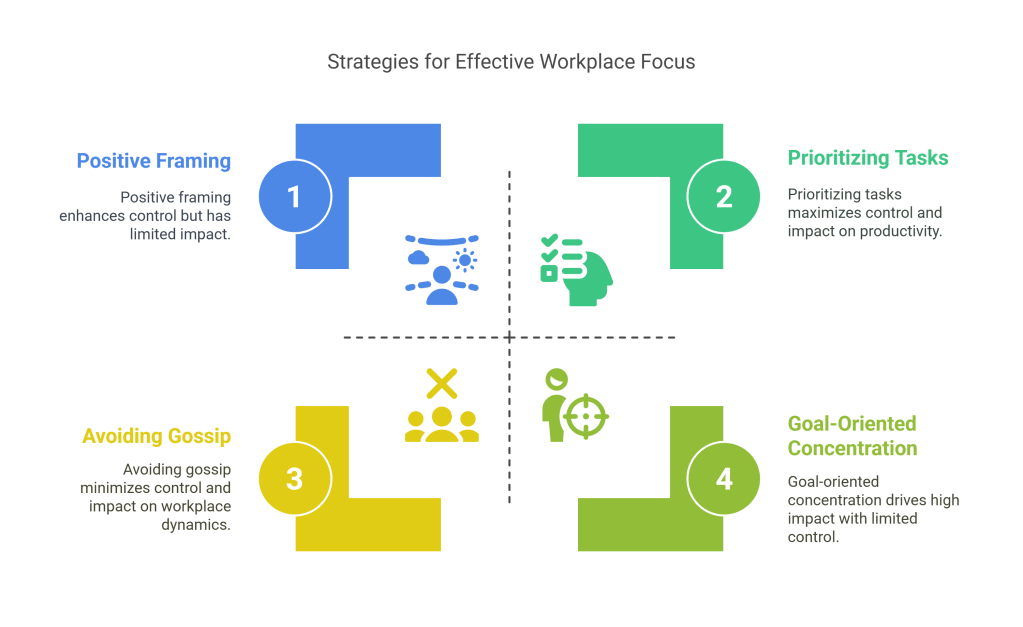
- Prioritizing Tasks: As mentioned in time management, consciously decide which tasks deserve your undivided attention. Avoid multitasking, which often leads to reduced efficiency and increased errors.
- Focusing on Solutions, Not Problems: When challenges arise, shift your mental energy from lamenting the problem to brainstorming and implementing solutions. This proactive approach conserves energy and drives progress.
- Positive Framing: Train yourself to look for the positive aspects or learning opportunities in difficult situations. While acknowledging reality, choose to frame events in a way that empowers you rather than disempowers you.
- Avoiding Gossip and Negativity: Consciously steer clear of workplace gossip and negative conversations. These drain your energy, create a toxic environment, and detract from productive work.
- Goal-Oriented Concentration: Keep your overarching goals in mind and direct your daily focus towards activities that move you closer to those objectives.
By intentionally choosing where to place your focus, you optimize your mental energy, enhance productivity, and cultivate a more positive and goal-oriented work experience.
7. The Way You Respond to Feedback
Feedback, whether positive or constructive, is a gift that offers insights into your performance and opportunities for growth. Your response to it is entirely within your control and significantly impacts your development and relationships.
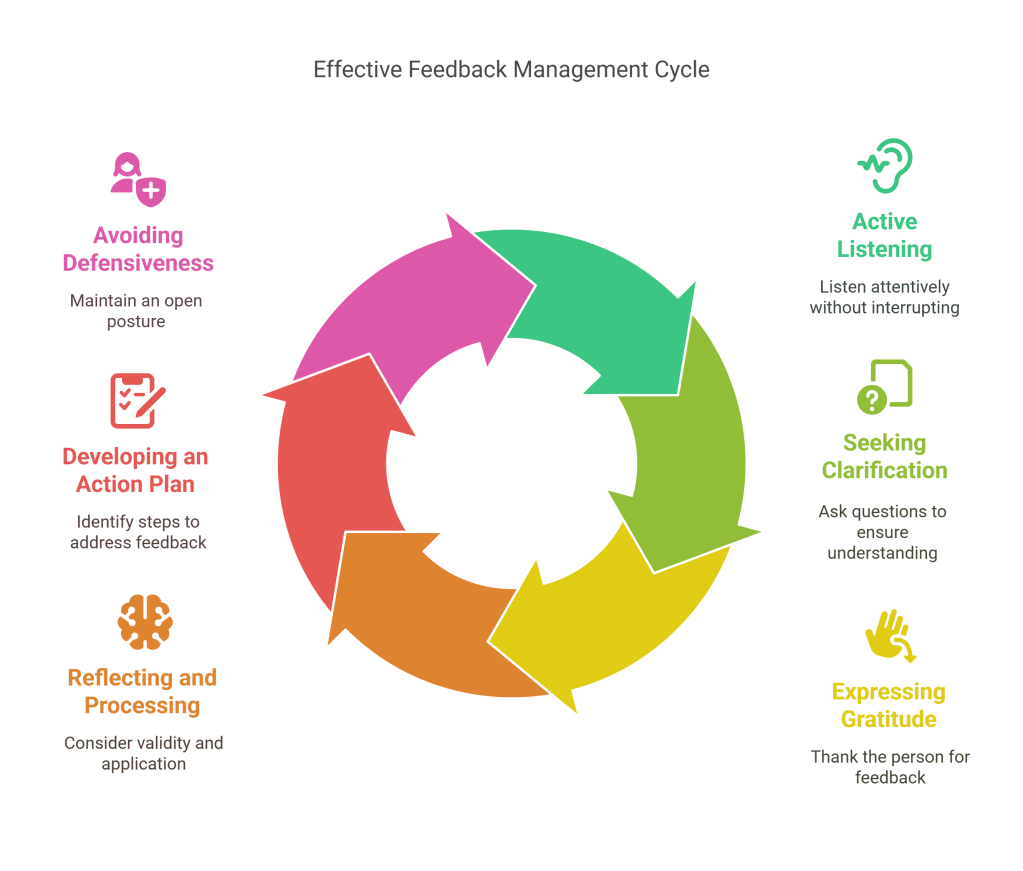
- Active Listening: When receiving feedback, listen attentively without interrupting or becoming defensive. Focus on understanding the message, not on formulating your rebuttal.
- Seeking Clarification: Ask open-ended questions to ensure you fully grasp the feedback. “Can you give me a specific example?” or “What would you suggest I do differently next time?” can be very helpful.
- Expressing Gratitude: Thank the person for providing the feedback, even if it’s difficult to hear. This encourages continued open communication.
- Reflecting and Processing: Take time to reflect on the feedback before reacting. Consider its validity and how you can apply it. Not all feedback needs to be acted upon immediately, but all feedback deserves consideration.
- Developing an Action Plan: For constructive feedback, identify specific steps you can take to address the points raised. Communicate your plan back to the feedback provider if appropriate.
- Avoiding Defensiveness: Defensiveness shuts down communication and prevents growth. Practice self-awareness to recognize when you’re becoming defensive and consciously choose a more open posture.
Your ability to receive and act upon feedback demonstrates maturity, a commitment to improvement, and a willingness to collaborate, all of which are highly valued in any professional setting.
8. Your Commitment to Company Values
Every organization has a set of core values that guide its mission, culture, and decision-making. Your commitment to these values, and your alignment with them, is a choice that influences your professional identity and contribution.
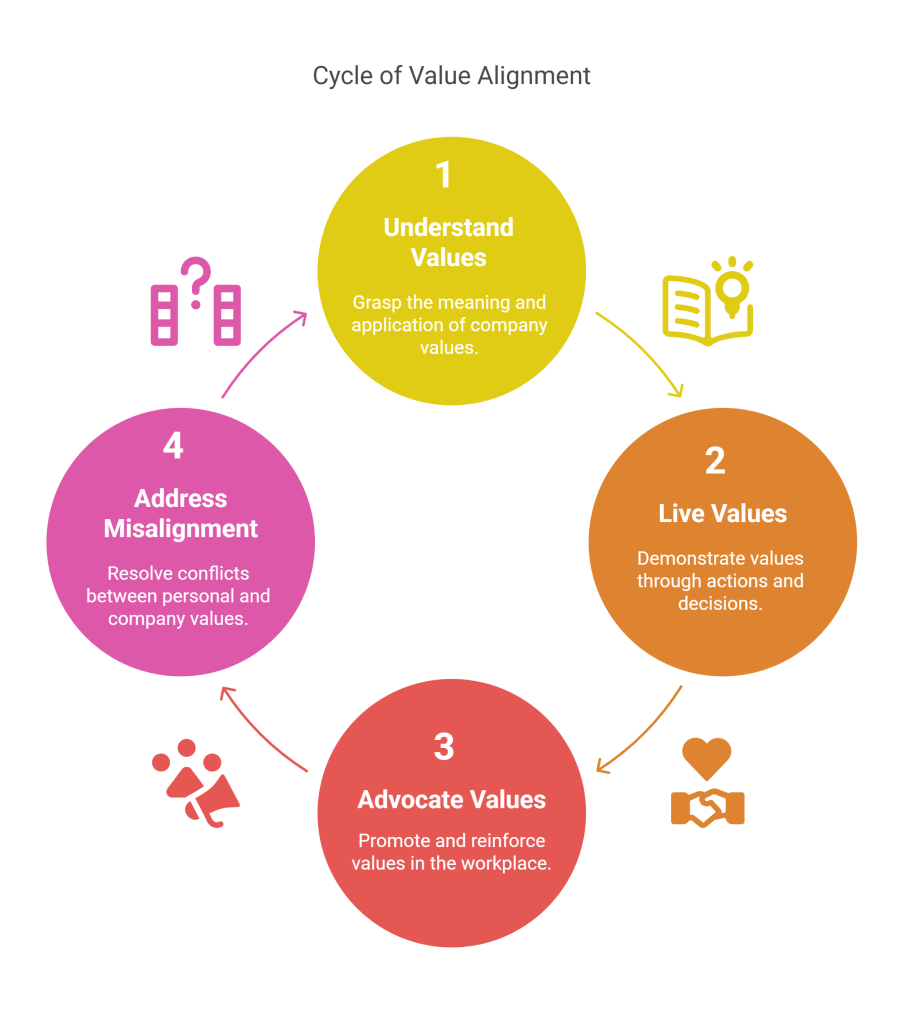
- Understanding the Values: Take the time to genuinely understand your company’s stated values. How do they translate into daily actions and behaviors?
- Living the Values: Actively demonstrate these values in your work, interactions, and decision-making. If integrity is a value, act with honesty. If collaboration is key, actively seek opportunities to work with others.
- Advocating for Values: When you see opportunities to reinforce company values, do so. This could be by recognizing others who exemplify them or by gently guiding conversations back to them.
- Addressing Misalignment (Internally): If you find a significant disconnect between your personal values and the company’s, or between stated values and actual practices, you control how you address this – whether through internal dialogue, seeking clarification, or, in extreme cases, considering other opportunities.
Your commitment to company values signals your dedication, fosters a sense of belonging, and contributes to a cohesive organizational culture.
9. How You Communicate with Others
Communication is the bedrock of all professional relationships and effective teamwork. The clarity, empathy, and professionalism with which you communicate are entirely within your control and profoundly impact your success.

- Clarity and Conciseness: Strive to convey your message clearly, directly, and without unnecessary jargon. Get to the point efficiently, whether in written or verbal communication.
- Active Listening: Beyond just hearing words, actively listen to understand the speaker’s perspective, underlying concerns, and non-verbal cues. This builds rapport and prevents misunderstandings.
- Choosing the Right Medium: Select the most appropriate communication channel for your message (e.g., email for formal updates, instant message for quick questions, in-person for sensitive discussions).
- Empathy and Perspective-Taking: Before communicating, consider the other person’s perspective, their priorities, and how they might receive your message. Tailor your communication accordingly.
- Constructive Conflict Resolution: When disagreements arise, approach them with a focus on finding solutions rather than assigning blame. Use “I” statements to express your feelings and needs.
- Regular Updates: Provide timely updates on your progress, challenges, and needs. Proactive communication keeps stakeholders informed and builds trust.
- Professional Tone: Maintain a respectful and professional tone in all your communications, even under pressure. Avoid sarcasm, passive-aggressiveness, or overly casual language in formal settings.
Effective communication is a skill that can always be refined. By consciously working on how you communicate, you enhance your influence, build stronger relationships, and contribute to a more productive work environment.
II. In Your Influence: Expanding Your Impact
The “In Your Influence” sphere comprises elements that you cannot directly control, but you can significantly impact through your actions, behaviors, and relationships. This requires strategic thinking, empathy, and the ability to persuade and collaborate. While you don’t hold the ultimate decision-making power, your contributions can subtly or overtly shape outcomes.
1. Your Teamwork
While you can’t control how every individual on your team behaves, you significantly influence the overall team dynamic through your approach to collaboration.

- Being a Reliable Contributor: Consistently deliver on your commitments, meet deadlines, and contribute your fair share to team projects. Your reliability sets a positive example.
- Active Collaboration: Proactively offer help, share knowledge, and seek input from others. Engage in brainstorming sessions and contribute ideas constructively.
- Promoting Inclusivity: Ensure all team members feel heard and valued. Encourage diverse perspectives and create an environment where everyone feels comfortable contributing.
- Conflict Mediation (When Appropriate): If minor conflicts arise, you can influence their resolution by acting as a neutral party or encouraging direct, respectful communication between colleagues.
- Celebrating Successes: Acknowledge and celebrate team achievements, big or small. This fosters a positive atmosphere and reinforces collective effort.
Your active participation and positive attitude can elevate team morale, improve efficiency, and foster a more cohesive and productive working environment.
2. Workplace Culture
Workplace culture is the collective personality of an organization – its shared values, beliefs, practices, and attitudes. While leadership sets the tone, every employee contributes to and can influence the culture.

- Embodying Desired Traits: Be the change you wish to see. If you desire a more collaborative culture, be more collaborative. If you want more transparency, be transparent in your own work (within appropriate boundaries).
- Positive Role Modeling: Your actions speak louder than words. By consistently demonstrating professionalism, respect, and a positive attitude, you influence the behavior of those around you.
- Participating in Initiatives: Get involved in company committees, social events, or volunteer programs. Your participation strengthens community bonds and can shape cultural norms.
- Speaking Up Constructively: If you observe cultural elements that are detrimental, address them constructively through appropriate channels, offering solutions rather than just complaints.
- Recognizing Positive Behaviors: Publicly or privately acknowledge colleagues who exemplify positive cultural traits. This reinforces desired behaviors and encourages others to follow suit.
While you can’t single-handedly transform a company’s culture, your consistent positive influence can create ripples that collectively shift the environment.
3. The Way Conflicts Are Handled
Conflict is inevitable in any human interaction, including the workplace. While you can’t prevent all conflicts, you can significantly influence how they are approached and resolved.
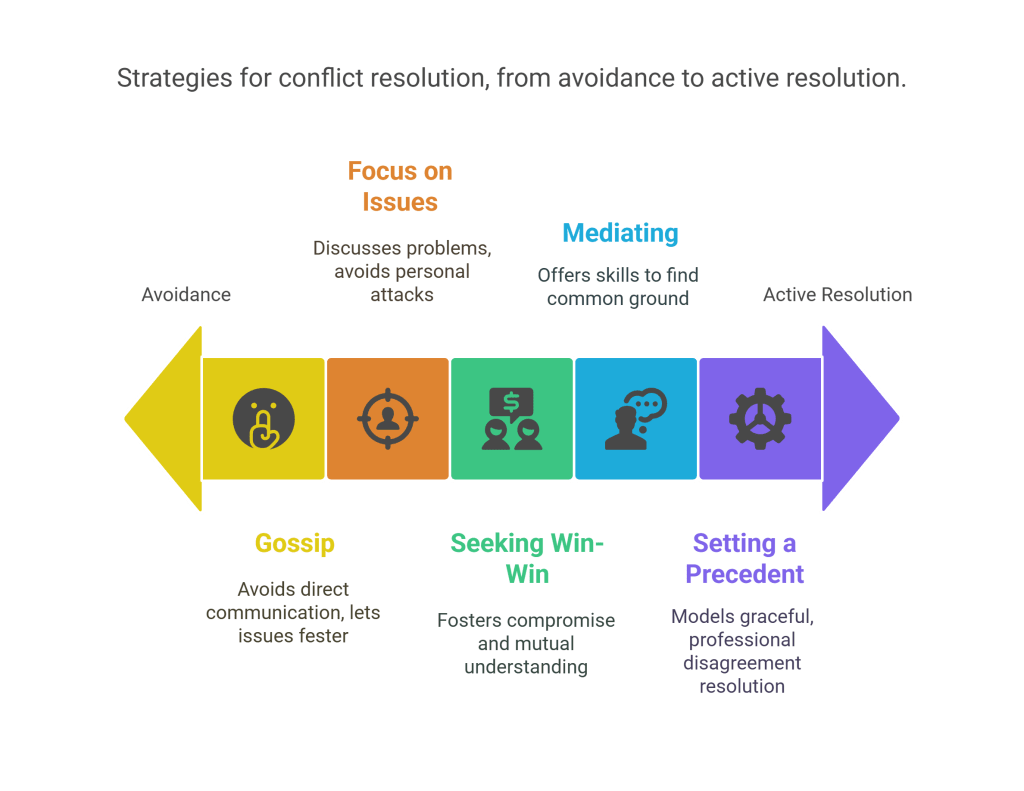
- Promoting Open Dialogue: Encourage direct, respectful communication between parties in conflict rather than allowing issues to fester or be discussed through gossip.
- Focusing on Issues, Not Personalities: Guide conversations to focus on the problem at hand and potential solutions, rather than personal attacks or blame.
- Seeking Win-Win Solutions: Advocate for outcomes that address the needs of all parties involved, fostering compromise and mutual understanding.
- Mediating (If Trained/Appropriate): If you have the skills and it’s appropriate for your role, you can offer to mediate discussions to help colleagues find common ground.
- Setting a Precedent for Respect: By handling your own disagreements with grace and professionalism, you set an example for how conflicts should be managed within your team.
Your approach to conflict can transform potentially destructive situations into opportunities for growth and stronger relationships.
4. Supporting Others’ Growth
Investing in the development of your colleagues not only benefits them but also strengthens the entire team and can enhance your own leadership skills.
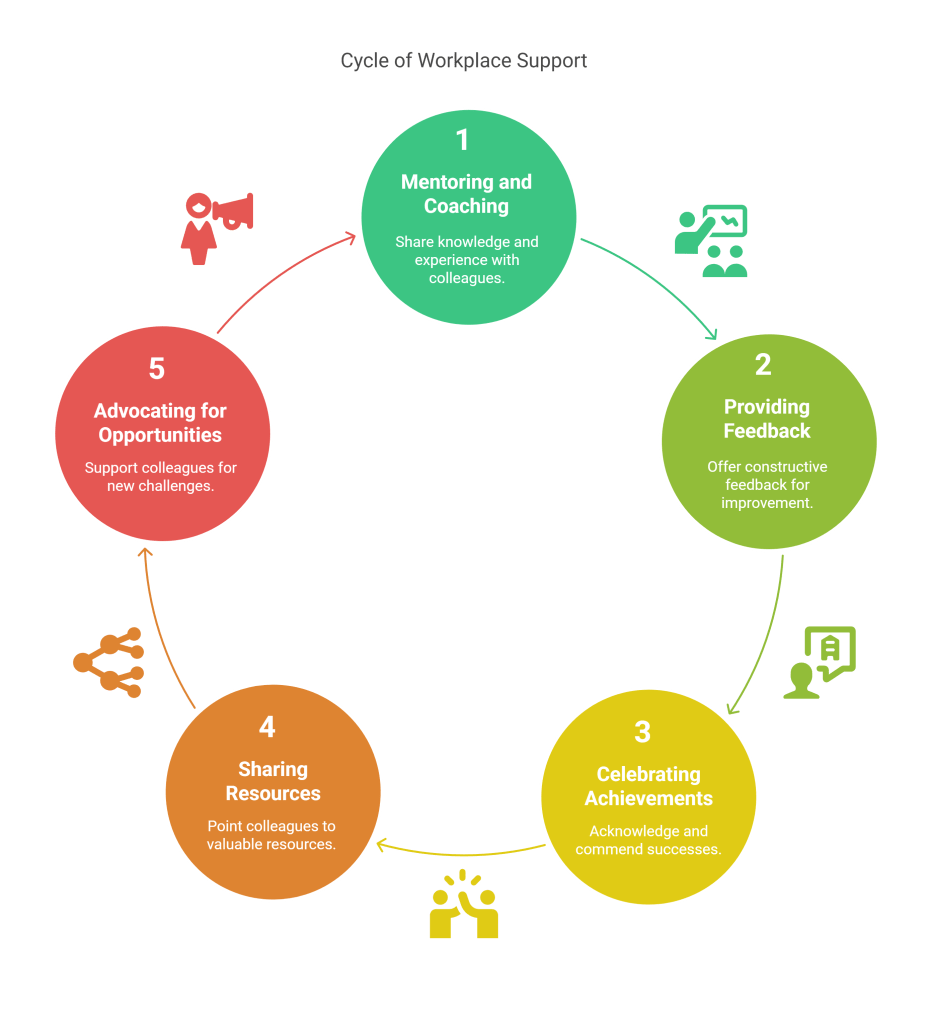
- Mentoring and Coaching: Share your knowledge and experience with less experienced colleagues. Offer guidance, advice, and support as they navigate their careers.
- Providing Constructive Feedback (as a Giver): Offer thoughtful, actionable feedback to peers and subordinates to help them identify areas for improvement and development.
- Celebrating Achievements: Acknowledge and commend the successes and progress of your colleagues. This builds confidence and fosters a supportive environment.
- Sharing Resources: Point colleagues towards valuable learning resources, training programs, or networking opportunities that could aid their growth.
- Advocating for Opportunities: If you see a colleague ready for a new challenge or a promotion, advocate for them to management.
By actively supporting the growth of others, you contribute to a culture of continuous improvement and build strong professional alliances.
5. Advocating for Positive Change
If you identify areas for improvement within your team or department, you have the power to advocate for positive change. This requires courage, clear communication, and a solutions-oriented approach.

- Identifying Problems and Solutions: Don’t just complain about issues; analyze them thoroughly and propose well-thought-out solutions.
- Building a Business Case: Frame your suggestions in terms of benefits to the company – increased efficiency, cost savings, improved morale, better client satisfaction.
- Gathering Support: Talk to colleagues who share your concerns and build a consensus. A united front can be more influential than a lone voice.
- Choosing the Right Time and Forum: Present your ideas to the appropriate stakeholders (e.g., your manager, team lead, or a relevant committee) at a suitable time.
- Being Persistent (Respectfully): If your initial proposal isn’t immediately accepted, be prepared to refine it and re-present it. Persistence, coupled with flexibility, can yield results.
Advocating for change demonstrates initiative and a commitment to organizational improvement, positioning you as a valuable contributor.
6. Providing Constructive Feedback (as a Giver)
Just as receiving feedback is crucial, so is the ability to give it effectively. Your constructive feedback can significantly influence a colleague’s performance and development.
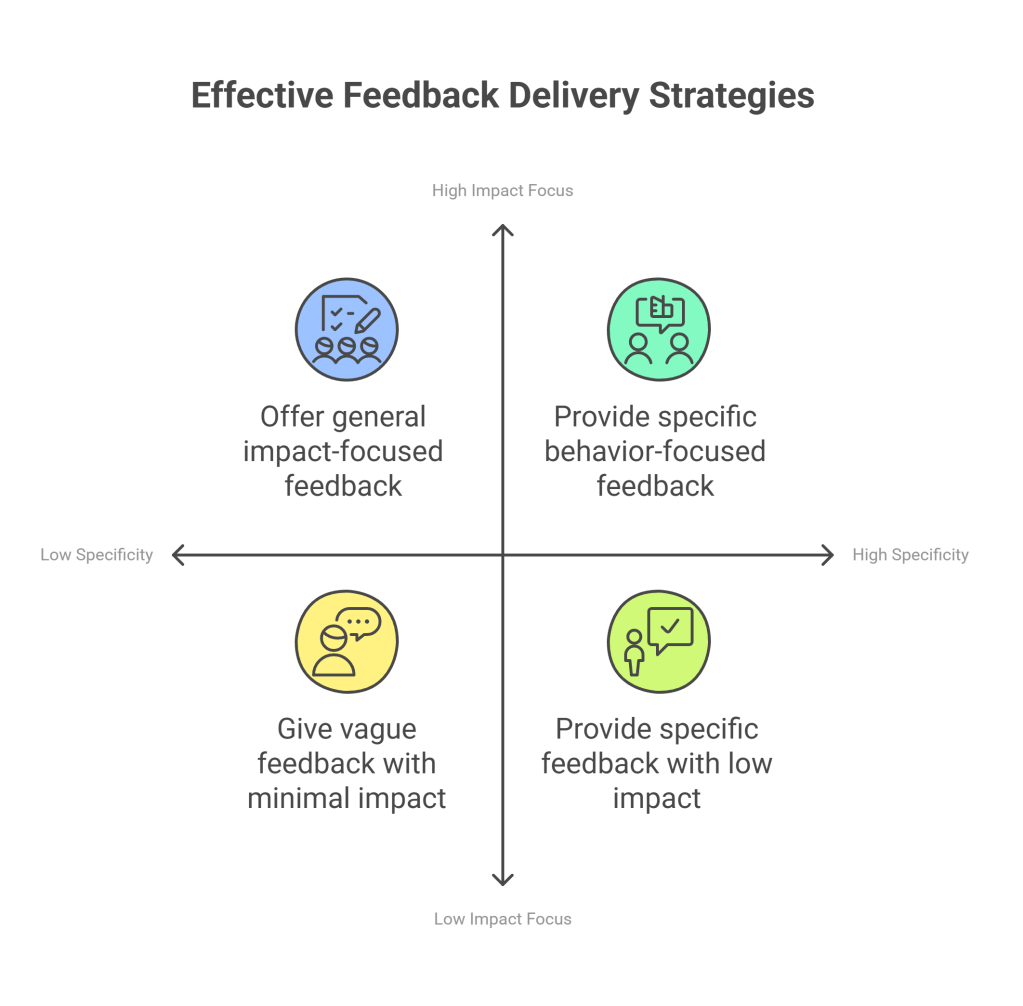
- Timeliness: Provide feedback as close to the event as possible, while still allowing time for reflection.
- Specificity: Focus on specific behaviors or actions, not on personal traits. Use “I” statements to express your observations and impact.
- Focus on Impact: Explain the effect of the behavior on you, the team, or the project.
- Offer Solutions/Suggestions: Don’t just point out problems; offer suggestions for improvement or ask how you can support their growth.
- Privacy and Respect: Deliver feedback privately and with respect, focusing on helping the person grow rather than criticizing them.
Well-delivered constructive feedback is a powerful tool for influence, fostering a culture of continuous improvement and mutual support.
7. Your Reputation
Your professional reputation is built over time through your consistent actions, behaviors, and interactions. It’s not something you directly control, but you heavily influence it through every choice you make.
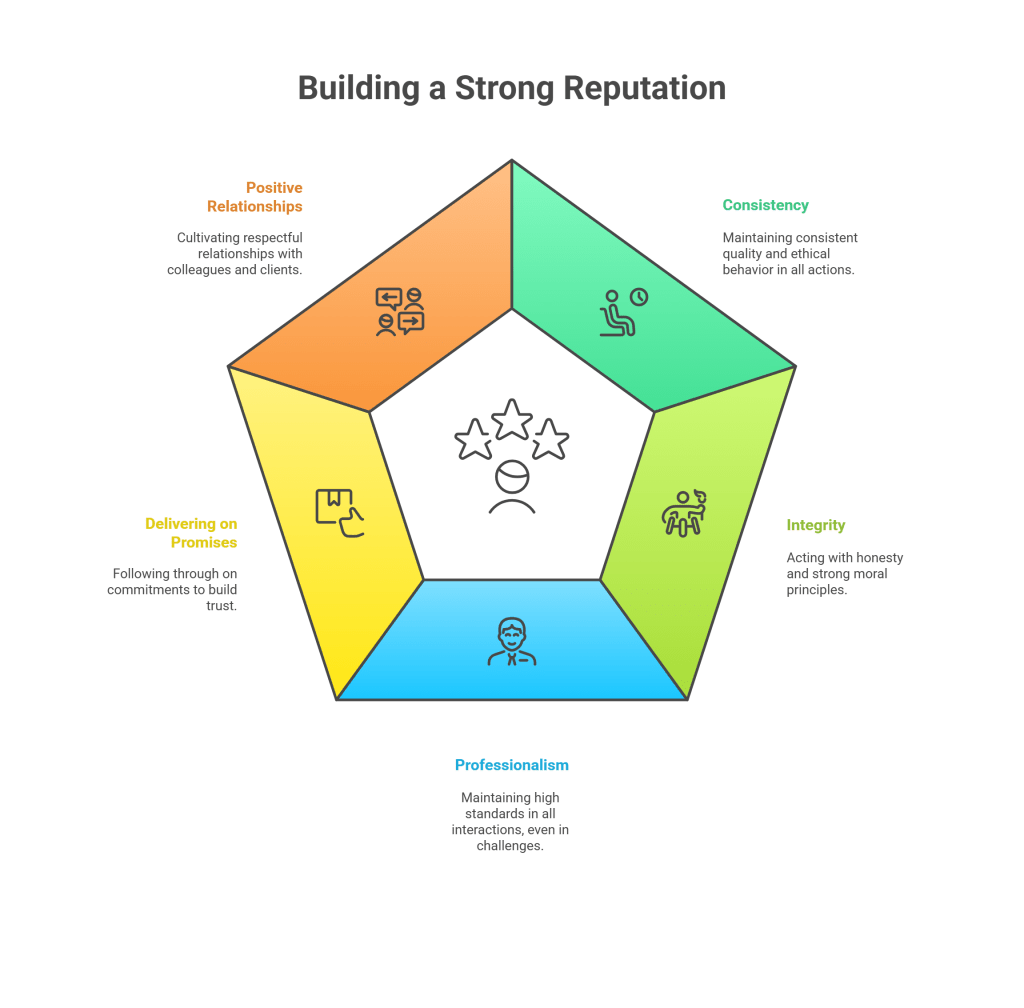
- Consistency: Be consistent in your work quality, ethical conduct, and communication. Reliability builds trust and a strong reputation.
- Integrity: Act with honesty and strong moral principles. Your integrity is the cornerstone of your reputation.
- Professionalism: Maintain a high standard of professionalism in all your dealings, even when faced with challenging situations.
- Delivering on Promises: Follow through on your commitments. If you say you’ll do something, do it.
- Positive Relationships: Cultivate strong, respectful relationships with colleagues, clients, and superiors. A positive network enhances your reputation.
Your reputation precedes you and can open or close doors. By being mindful of your actions, you actively shape how others perceive you.
8. Past and Future Experiences
While past actions are unchangeable, your interpretation and learning from them, and your preparation for future experiences, are within your influence.

- Learning from the Past: Reflect on past successes and failures to extract valuable lessons. How can you apply these insights to current and future challenges?
- Reframing Narratives: You can’t change what happened, but you can change the story you tell yourself about it. Reframe negative experiences into growth opportunities.
- Proactive Planning for the Future: Influence future experiences by setting goals, developing skills, and strategically planning your career path.
- Anticipating Challenges: Identify potential future obstacles and proactively develop strategies to mitigate them.
Your ability to learn from history and strategically plan for the future significantly influences your trajectory.
9. Relationships with Colleagues
The quality of your relationships with colleagues profoundly impacts your daily work experience, your access to information, and your ability to collaborate effectively.
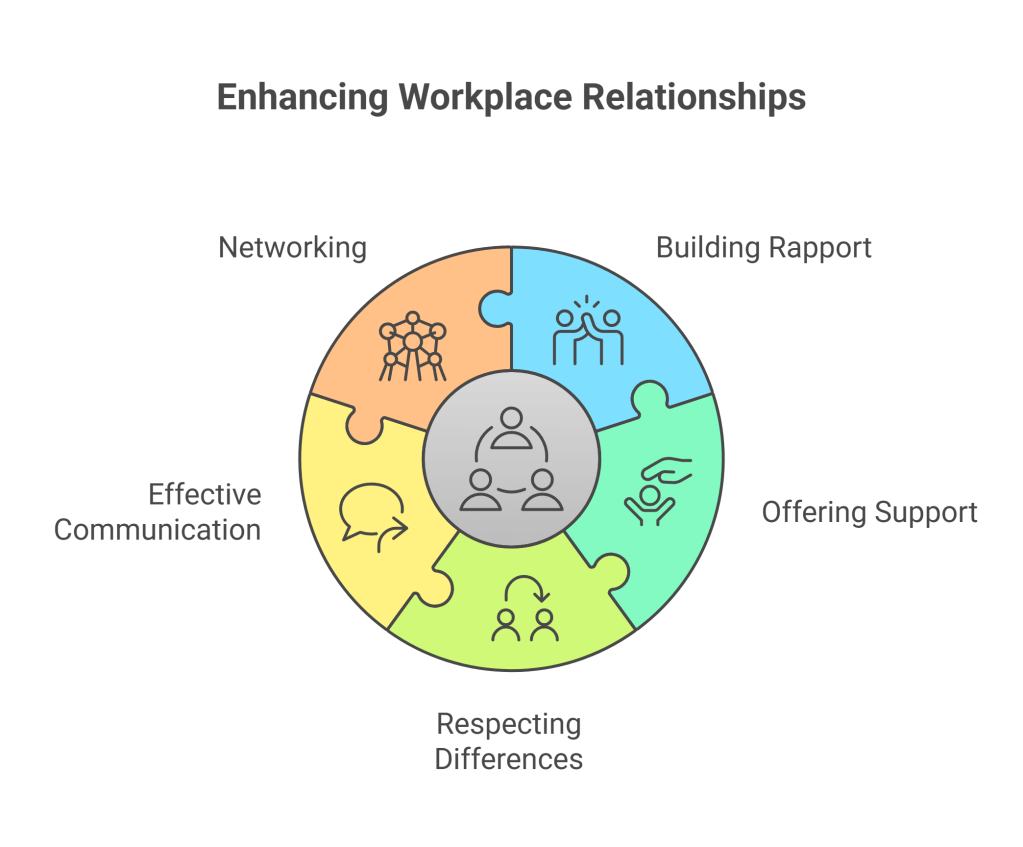
- Building Rapport: Take the time to get to know your colleagues beyond work tasks. Show genuine interest in their well-being and professional goals.
- Offering Support: Be a supportive colleague, offering help when needed and celebrating their successes.
- Respecting Differences: Acknowledge and respect diverse working styles, opinions, and backgrounds.
- Effective Communication: As discussed, clear and empathetic communication is vital for healthy relationships.
- Networking: Actively build and maintain a professional network within and outside your organization.
Strong relationships foster a more positive and productive work environment, making collaboration smoother and problem-solving easier.
10. Salary and Career Growth
While final decisions on salary and promotions rest with management, your performance, initiative, and strategic advocacy significantly influence these outcomes.
- High Performance: Consistently exceed expectations in your role. Your results are your strongest argument.
- Demonstrating Value: Clearly articulate the value you bring to the organization, quantifying your achievements whenever possible.
- Proactive Skill Development: Acquire skills that are in demand and align with higher-level roles.
- Strategic Networking: Build relationships with key decision-makers and mentors who can advocate for your growth.
- Negotiation Skills: When the opportunity arises, be prepared to confidently and professionally negotiate your salary and terms for career advancement.
- Seeking Opportunities: Actively look for opportunities to take on more responsibility, lead projects, or contribute to strategic initiatives.
While external factors play a role, your proactive efforts and demonstrated value are the most significant influences on your career progression and compensation.
III. Out of Your Control: Acceptance and Adaptation
The “Out of Your Control” sphere encompasses external factors that you cannot directly manage or influence. Attempting to control these elements is a futile exercise that leads to frustration, stress, and wasted energy. The key here is acceptance, adaptation, and focusing your energy back on what you can control.

1. Company-Wide Decisions
Major strategic shifts, reorganizations, budget allocations, or new policies are typically made at the executive level.
- Acceptance: Recognize that these decisions are often made with a broader organizational perspective and may not be immediately clear at your level.
- Understanding the Rationale (If Possible): Seek to understand the “why” behind the decisions, if information is available, to better adapt.
- Focus on Adaptation: Instead of resisting, focus on how you and your team can best adapt to the new reality. How do these decisions impact your role, and what adjustments can you make?
- Providing Feedback (When Invited): If there are formal channels for feedback on new policies, use them constructively, but accept that the final decision rests elsewhere.
2. Leadership Changes
A new manager, department head, or CEO can bring significant shifts in priorities, style, and culture.
- Observation and Learning: Take time to observe the new leadership’s style, priorities, and expectations.
- Adaptation: Adjust your communication style, work approach, and focus areas to align with the new leadership’s vision.
- Proactive Engagement: Seek opportunities to build rapport and understand their objectives. Offer your support and demonstrate your value.
- Maintaining Your Professionalism: Regardless of your personal feelings, maintain a professional demeanor and continue to perform your duties to the best of your ability.
3. Past Actions and Decisions
You cannot change history. Regretting past mistakes or dwelling on missed opportunities drains energy and prevents forward momentum.
- Learning, Not Dwelling: Acknowledge past actions, learn the lessons they offer, and then release them.
- Focus on the Present and Future: Direct your energy towards current tasks and future planning, where you can still make an impact.
- Forgiveness: Practice self-compassion and forgive yourself for past errors.
4. Others’ Thoughts and Beliefs
You cannot force anyone to think or believe what you do. People’s internal worlds are their own.
- Respectful Disagreement: You can express your own views respectfully, but accept that others may hold different opinions.
- Focus on Behavior, Not Beliefs: In the workplace, focus on influencing observable behaviors and outcomes, rather than trying to change deeply held beliefs.
- Empathy: Seek to understand why others hold certain beliefs, even if you don’t agree. This can improve communication.
5. Others’ Words
You cannot control what others say, whether it’s positive, negative, or indifferent.
- Mindful Listening: Choose how you interpret and react to what is said.
- Setting Boundaries: If words are disrespectful or harmful, you can control your response by setting boundaries or escalating through appropriate channels.
- Focus on Action: Don’t get bogged down by words alone; observe actions and focus on your own contributions.
6. Others’ Actions
You can influence, but not control, how others behave.
- Focus on Your Response: Your power lies in how you choose to react to others’ actions.
- Clear Expectations: Communicate your expectations clearly, but accept that others may not always meet them.
- Accountability (Where Applicable): If others’ actions impact your work, you can raise concerns through appropriate channels, but you cannot force them to change.
7. Industry Trends and Market Shifts
Broader economic forces, technological advancements, and shifts in consumer behavior are macro-level changes that impact entire industries.
- Stay Informed: Keep abreast of industry news and trends to understand the evolving landscape.
- Adapt Your Skills: Proactively adapt your skills and knowledge to remain relevant in a changing market.
- Strategic Planning: Help your team or company develop strategies to navigate these shifts, but accept that the overall trends are beyond your individual control.
8. How Others React to Your Feedback
While you control how you give feedback, you cannot control how the recipient chooses to react to it.
- Focus on Your Delivery: Ensure your feedback is constructive, specific, and delivered with respect.
- Acceptance of Their Response: Recognize that people process feedback differently. Some may be immediately receptive, others may need time, and some may resist.
- Continued Support (If Appropriate): If you’ve given feedback, continue to offer support and observe if any changes occur over time.
9. Clients’ or Customers’ Behaviors
The decisions, preferences, and sometimes unpredictable behaviors of clients and customers are external factors.
- Understanding Needs: Focus on deeply understanding client needs and providing excellent service.
- Managing Expectations: Clearly communicate what you can and cannot deliver.
- Problem-Solving: When issues arise due to client behavior, focus on finding solutions that mitigate impact.
- Feedback Loops: Establish channels to gather client feedback and adapt your services where possible.
10. Changes in Company Strategy
Similar to company-wide decisions, shifts in overall business strategy are determined at higher levels.
- Understanding the New Direction: Seek clarity on the revised strategy and its implications for your role and team.
- Aligning Your Work: Adjust your priorities and projects to align with the new strategic objectives.
- Communicating Impact: Clearly communicate how your work contributes to the updated strategy.
- Flexibility: Embrace flexibility and adaptability as essential traits in a dynamic business environment.
Conclusion: The Power of Intentional Focus
The concept of workplace control isn’t about avoiding challenges or pretending everything is perfect. Instead, it’s a profound invitation to channel your energy with intention and wisdom. By diligently focusing on what’s In Your Control – your attitude, time management, boundaries, learning, actions, focus, feedback response, values, and communication – you build an unshakeable foundation of personal effectiveness and resilience.
By strategically influencing what’s In Your Influence – your teamwork, workplace culture, conflict resolution, support for others, advocacy for change, constructive feedback, reputation, and relationships – you expand your impact and contribute meaningfully to your professional environment.
And by gracefully accepting and adapting to what’s Out of Your Control – company decisions, leadership changes, past events, others’ thoughts and actions, industry trends, and client behaviors – you conserve vital energy, reduce unnecessary stress, and maintain your peace of mind.
In a world that constantly demands your attention, the true mastery of workplace control lies in discerning where your efforts will yield the greatest return. Embrace this framework, and you will not only navigate the complexities of your career with greater ease but also unlock unprecedented levels of growth, satisfaction, and well-being. Focus on what matters, and watch your professional journey transform.
Discover more from SkillWisor
Subscribe to get the latest posts sent to your email.
 SkillWisor